A Beginner's Guide to Event Catering in San Francisco


Understanding Event Catering
Event catering in San Francisco offers a diverse range of options, showcasing the city's rich culinary scene. Whether you're planning a wedding, corporate event, or private party, choosing the right catering service is crucial. This guide will help you navigate the essentials of event catering, ensuring your occasion is both memorable and seamless.
San Francisco's unique blend of cultures is reflected in its cuisine, making it possible to serve anything from traditional American dishes to exotic international flavors. Understanding your audience's preferences and dietary restrictions is the first step toward a successful event.
Setting Your Budget
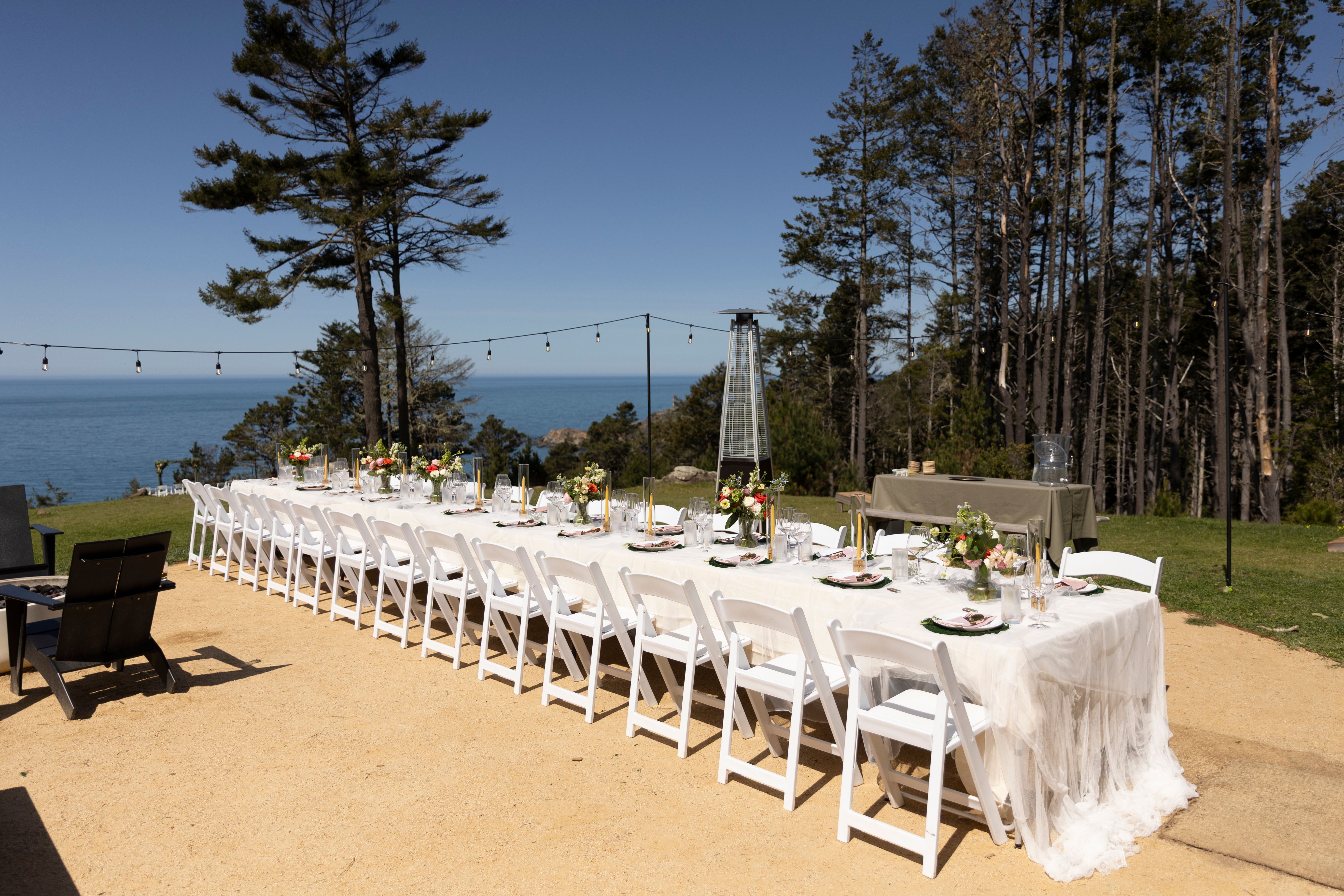
Your budget is a fundamental aspect of planning any event. Catering costs can vary significantly depending on the menu, service style, and number of guests. It's essential to set a realistic budget early on and communicate it to your caterer. This will help in tailoring options that suit your financial plan without compromising on quality.
Consider the type of service you want for your event. Options include buffet-style, plated dinners, or family-style service. Each comes with its own cost implications, so choose based on both your budget and the event's formality.
Choosing the Right Caterer
San Francisco boasts a wide array of catering companies, each offering unique specialties. Start by researching local caterers who have experience with your type of event. Look for reviews, ask for references, and don't hesitate to request tastings. A caterer’s ability to customize menus and accommodate special requests is a big plus.
Menu Planning
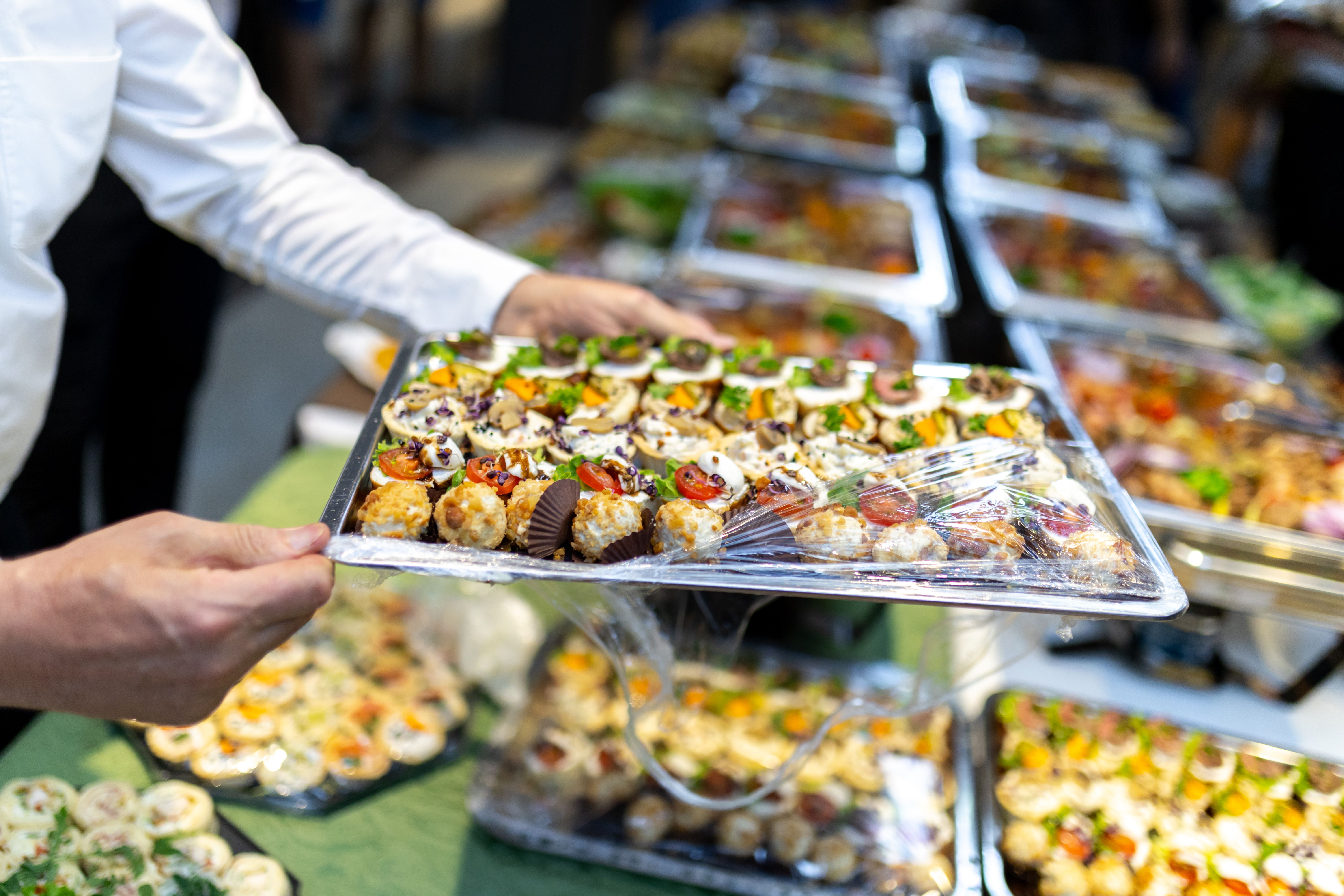
Once you've chosen a caterer, the next step is menu planning. Consider incorporating seasonal and locally sourced ingredients, which are both fresh and sustainable. Work with your caterer to create a menu that reflects your event's theme and satisfies diverse dietary needs, including vegetarian, vegan, gluten-free, and nut-free options.
A well-thought-out menu can elevate the guest experience, leaving a lasting impression. Don't forget to include a mix of appetizers, main courses, desserts, and beverages to provide a full culinary journey.
Logistics and Coordination
Effective coordination is key to successful event catering. Discuss logistics in detail with your caterer, including setup and breakdown times, equipment needs, and staffing requirements. A professional caterer will handle these aspects, allowing you to focus on other elements of event planning.

Day-of Execution
The day of the event is when everything comes together. Ensure that you have a clear timeline of events and that your caterer is aligned with your schedule. Regular communication with your caterer can help address any last-minute changes or challenges that may arise.
Trust in your caterer's expertise and enjoy the event knowing that the food and beverage aspect is in capable hands.
Post-Event Considerations
After the event, take the time to gather feedback from your guests on the catering. This input can be invaluable for future events. Additionally, engage with your caterer to debrief and discuss what went well and what could be improved.
Expressing gratitude to your caterer and team can foster a positive relationship for any future collaborations.