Expert Tips for Planning a Flawless Catering Delivery in SF


Understanding Your Audience
Planning a catering delivery in San Francisco requires a keen understanding of your audience. Whether it's a corporate event, wedding, or casual gathering, knowing the preferences and expectations of your guests is crucial. Consider dietary restrictions, cultural preferences, and any specific requests that may arise.
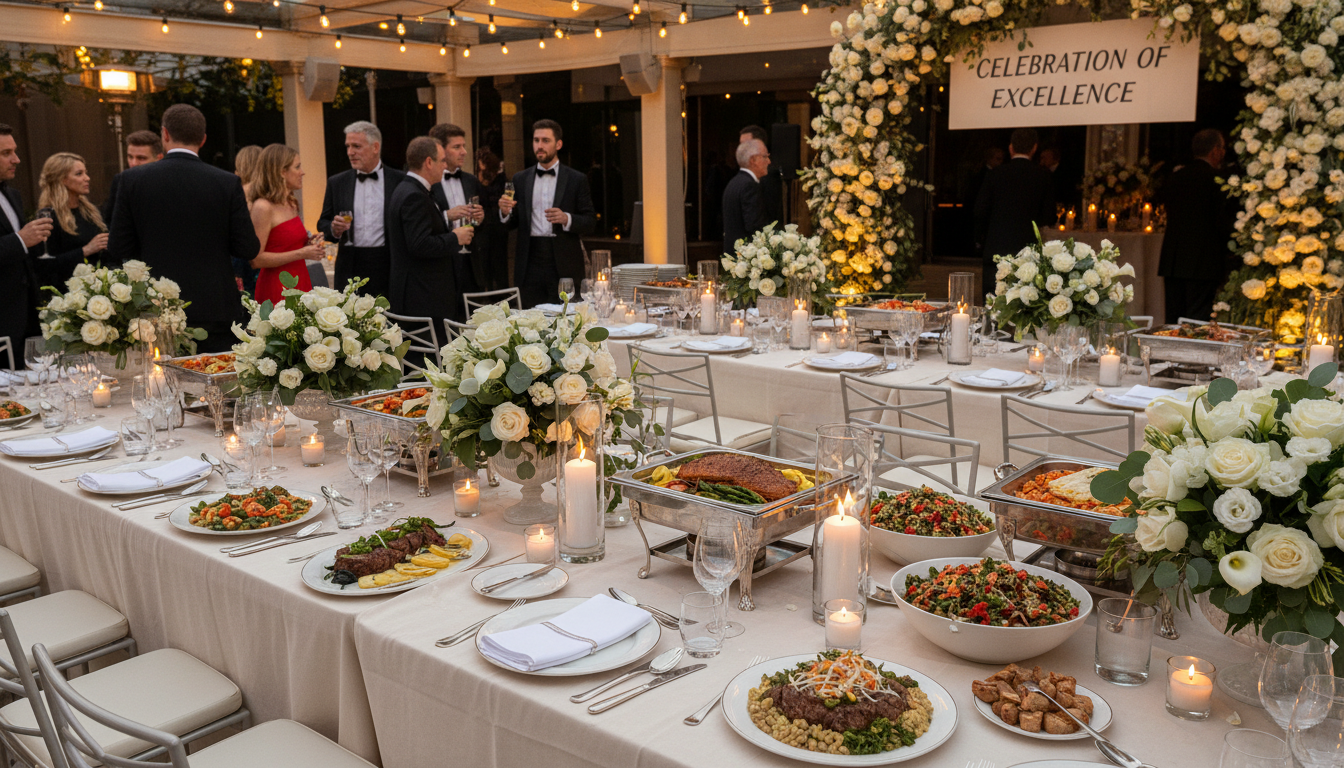
Once you have a clear understanding of your audience, you can tailor the menu and service to meet their needs. This not only enhances the dining experience but also ensures that everyone feels included and satisfied.
Selecting the Right Catering Service
San Francisco is home to a diverse array of catering services, each offering unique specialties. When selecting a caterer, consider their reputation, experience, and the specific cuisines they offer. Look for testimonials and reviews to gauge their reliability and quality of service.
Meeting with the caterer beforehand to discuss your event’s theme and requirements can also provide valuable insights. This collaboration ensures that the caterer understands your vision and can deliver accordingly.

Planning the Menu
Creating a menu that delights your guests is a fine balance between creativity and practicality. Start by considering the season and the availability of fresh, local ingredients. San Francisco offers a rich bounty of produce and seafood, perfect for crafting vibrant and flavorful dishes.
Incorporate a mix of options, including vegetarian, vegan, and gluten-free dishes, to cater to diverse dietary needs. This inclusivity not only pleases guests but also showcases your attention to detail.
Logistics and Timing
Efficient logistics are key to a flawless catering delivery. Work with your caterer to establish a clear timeline, from food preparation to delivery and setup. San Francisco’s traffic can be unpredictable, so plan accordingly to avoid delays.
Consider the venue's specific requirements for delivery and setup. Ensure that there is adequate space and facilities to accommodate the catering team and their equipment.
Communication is Key
Maintaining open communication with your caterer is essential throughout the planning process. Regular updates and confirmations help prevent misunderstandings and ensure that everyone is aligned with the event's goals.
Establish a point of contact for any last-minute changes or emergencies. This proactive approach can mitigate potential issues and contribute to a seamless event.
Post-Event Follow-Up
After the event, take the time to gather feedback from your guests. This information is invaluable for future events and helps you understand what worked well and what could be improved.
Share this feedback with your caterer, as it can help them refine their services and enhance future collaborations. A successful partnership is built on mutual growth and understanding.